Boot Camp requires a Mac with an Intel processor.
When you install Microsoft Windows on your Mac, Boot Camp Assistant automatically opens the Boot Camp installer, which installs the latest Windows support software (drivers). If that doesn't happen, or you experience any of the following issues while using Windows on your Mac, follow the steps in this article.
- Your Apple mouse, trackpad, or keyboard isn't working in Windows.
Force Touch isn't designed to work in Windows. - You don't hear audio from the built-in speakers of your Mac in Windows.
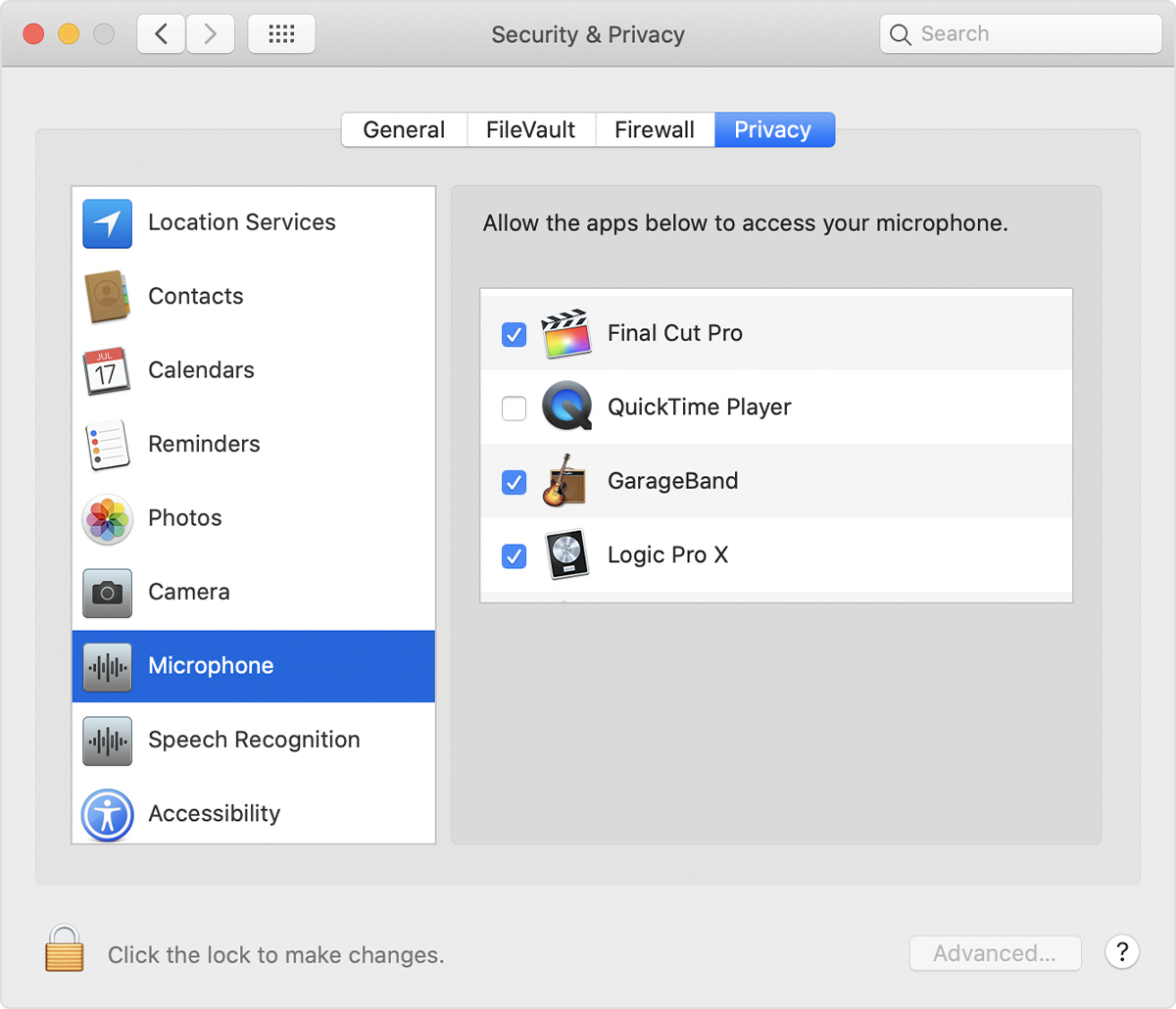
- The built-in microphone or camera of your Mac isn't recognized in Windows.
- One or more screen resolutions are unavailable for your display in Windows.
- You can't adjust the brightness of your built-in display in Windows.
- You have issues with Bluetooth or Wi-Fi in Windows.
- You get an alert that Apple Software Update has stopped working.
- You get a message that your PC has a driver or service that isn't ready for this version of Windows.
- Your Mac starts up to a black or blue screen after you install Windows.
If your Mac has an AMD video card and is having graphics issues in Windows, you might need to update your AMD graphics drivers instead.
With amazing new capabilities and updates to features you use every day, iOS 8 is the biggest iOS release ever. Learn more about iOS 8; The latest version of OS X features an elegant design, includes enhancements to the apps you use most, and enables your Mac. Jul 24, 2015 An USB – at least 8Gb or higher. A MacBook to run Disk Utility in OS X. How to create USB installer for Mac OS X Step 1: Download installer of OS X Yosemite, Mavericks, Mountain Lion, and Lion We are still able to download Yosemite from Apple store: Go to Mac Apple Store use your Apple ID and login Find and download OS X Yosemite. Look for the version of macOS you want in the store (if you have previously downloaded the version search under your Purchased tab). Click on the Download button. If you have already installed this.
Install the latest macOS updates
Before proceeding, install the latest macOS updates, which can include updates to Boot Camp.
Format a USB flash drive
To install the latest Windows support software, you need a 16GB or larger USB flash drive formatted as MS-DOS (FAT).
- Start your Mac from macOS.
- Plug the USB flash drive into your Mac.
- Open Disk Utility, which is in the Utilities folder of your Applications folder.
- Choose View > Show All Devices from the menu bar.
- From the sidebar in Disk Utility, select your USB flash drive. (Select the drive name, not the volume name beneath it.)
- Click the Erase button or tab.
- Choose MS-DOS (FAT) as the format and Master Boot Record as the scheme.
- Click Erase to format the drive. When done, quit Disk Utility.
Download the Windows support software
After preparing your USB flash drive, complete these steps:
- Make sure that your Mac is connected to the Internet.
- Open Boot Camp Assistant, which is in the Utilities folder of your Applications folder.
- From the menu bar at the top of your screen, choose Action > Download Windows Support Software, then choose your USB flash drive as the save destination. When the download completes, quit Boot Camp Assistant.
Learn what to do if you can't download or save the Windows support software.
Install the Windows support software
After downloading the Windows support software to your flash drive, follow these steps to install the software. (If you're attempting to resolve issues with a Bluetooth mouse or keyboard, it might be easier to use a USB mouse or keyboard until these steps are complete.)
- Make sure that the USB flash drive is plugged into your Mac.
- Start up your Mac in Windows.
- From File Explorer, open the USB flash drive, then open Setup or setup.exe, which is in the WindowsSupport folder or BootCamp folder. When you're asked to allow Boot Camp to make changes to your device, click Yes.
- Click Repair to begin installation. If you get an alert that the software hasn't passed Windows Logo testing, click Continue Anyway.
- After installation completes, click Finish, then click Yes when you're asked to restart your Mac.
Learn more
If you can't download or save the Windows support software:
- If the assistant says that the Windows support software could not be saved to the selected drive, or that the USB flash drive can't be used, make sure that your USB flash drive has a storage capacity of at least 16GB and is formatted correctly.
- If the assistant doesn't see your USB flash drive, click Go Back and make sure that the drive is connected directly to the USB port on your Mac—not to a display, hub, or keyboard. Disconnect and reconnect the drive, then click Continue.
- If the assistant says that it can't download the software because of a network problem, make sure that your Mac is connected to the Internet.
- Make sure that your Mac meets the system requirements to install Windows using Boot Camp.
If a Mac feature still doesn't work after updating the Windows support software, search for your symptom on the Apple support website or Microsoft support website. Some features of your Mac aren't designed to work in Windows.
You may need a bootable macOS Catalina USB drive to cleanly install the operating system or downgrade the macOS beta version. You can follow the steps here to create a bootable disk for any available version. However, since macOS Catalina is the current stable release, let me show you how to make a bootable installer drive.
Before You Begin:
- Make sure you have a USB flash drive with at least 16 GB capacity
- If there are files on it, copy it somewhere else as we will be completely erasing it
- Your Mac should be compatible with macOS Catalina
How to Create a Bootable macOS Catalina Installer Drive
3utools For Macbook Pro Download
- Download macOS Catalina from the Mac App Store. (You may download beta versions from Apple Public Beta page, or the developer page.)
- Once the download completes, the macOS Installer will launch automatically. Close it.
- Next, open Finder and click on Applications. Right-click on Install macOS Catalina. Select Show Package Contents.
- Open the Contents folder.
- Now, open the Resources folder. Keep this folder open.
- Open Terminal using Spotlight Search.
- In Terminal type the word sudo and then give a space.
- From the window in step 5, drag createinstallmedia to the Terminal.
- Next, type
--volumeand give space. - Connect the USB flash drive to your Mac
- Launch Finder and click on Go from the top menu bar. Next, click on Go to Folder. Here type /Volumes and hit enter (or click Go).
- Click on your Pen drive and drag it into the Terminal window.
- Hit the enter/return key. Enter your Mac’s password when asked. (While typing password in Terminal, you won’t see stars or typing confirmation. But keep typing it and hit the enter key when done.)
- Next, when prompted, type y and hit the enter/return key again.
Done!
The USB drive will be erased first, and then installer files will be copied to it. Erasing will be relatively quick. However, copying will take considerable time. Even if it is stuck at 0% or 10% for long, do not quit the Terminal window. The process is ongoing.
Signing off…
Download Macbook Pro Software To Usb 3.0
Note: If you have a Mac with T2 Security Chip (that is, Macs introduced in 2018 or later), first follow this guide to allow booting from external media.
After you create the bootable USB drive, the process to install it is simple. Make sure the USB drive is connected to the Mac. Next, click on the Apple logo from the top left and choose Restart. When you hear the startup sound or see the Apple logo, immediately press and hold the Option key. Select the bootable installer as the startup disk, and follow the instructions.
If you have issues, we have an extensive guide that addresses tips to fix when Mac Recovery Mode is not working.
The founder of iGeeksBlog, Dhvanesh, is an Apple aficionado, who cannot stand even a slight innuendo about Apple products. He dons the cap of editor-in-chief to make sure that articles match the quality standard before they are published.
- https://www.igeeksblog.com/author/dhvanesh/
- https://www.igeeksblog.com/author/dhvanesh/
- https://www.igeeksblog.com/author/dhvanesh/
- https://www.igeeksblog.com/author/dhvanesh/